
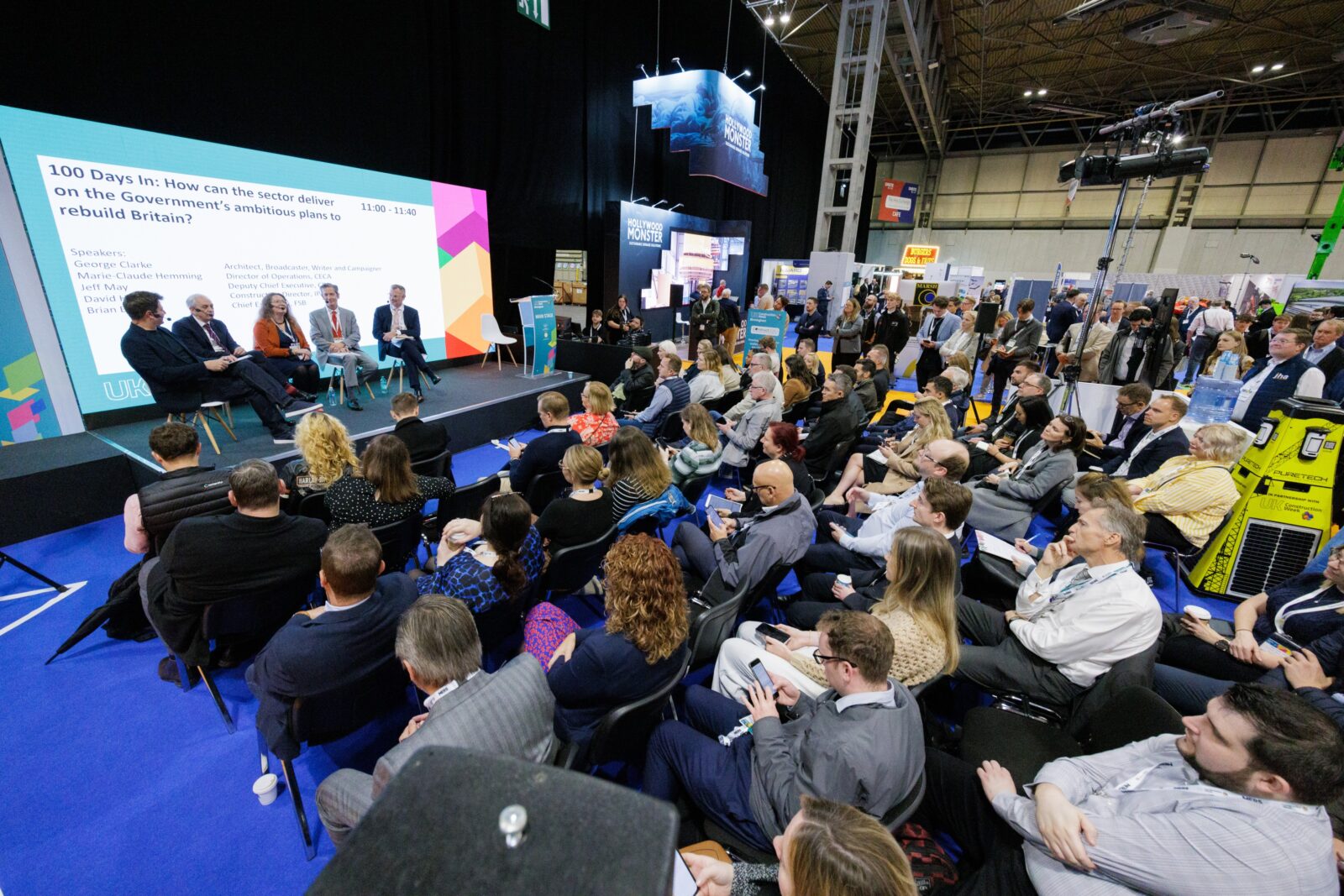
UK Construction Week Birmingham is set to return to the NEC from 29 September to 1 October 2026, bringing together construction professionals, suppliers, innovators and decision-makers from across the built environment.
The event will focus on the challenges and opportunities facing the industry, with this year’s theme, ‘The Construction Reset’, reflecting the need for the sector to adapt as it responds to pressures around productivity, sustainability, technology and the delivery of new homes and infrastructure.
For SMEs and self-build professionals, the event will provide an opportunity to explore new products, materials, technologies and services, as well as connect with potential suppliers and business partners.
The exhibition will feature dedicated areas covering roofing, cladding and insulation; digitalisation; construction training and services; equipment, tools and hire; building and onsite safety; future plant; and the Futurebuild Innovation Showcase.
Alongside the exhibition, the event will offer an extensive programme of talks, demonstrations and networking opportunities, with a focus on practical insight and emerging developments across the sector.
Central to The Construction Reset will be a refreshed Main Stage programme, bringing together industry leaders, policymakers, clients, contractors, manufacturers and innovators to showcase what’s already working, where real progress is being made and the practical actions that can accelerate delivery, improve productivity, drive sustainability and unlock growth.
Organisers say the event will bring together the people and ideas shaping the future of construction, with attendees able to discover new solutions, build industry connections and gain insight into the changes likely to affect their businesses and projects.
Rt Hon Sir James Cleverly MP, Shadow Secretary of State for Housing, Communities & Local Government, commented: “A construction reset means recognising that we cannot tax and regulate our way to growth. The reset I want to see is one where the government removes barriers rather than adding them, scrapping stamp duty, cutting red tape and backing builders.”

